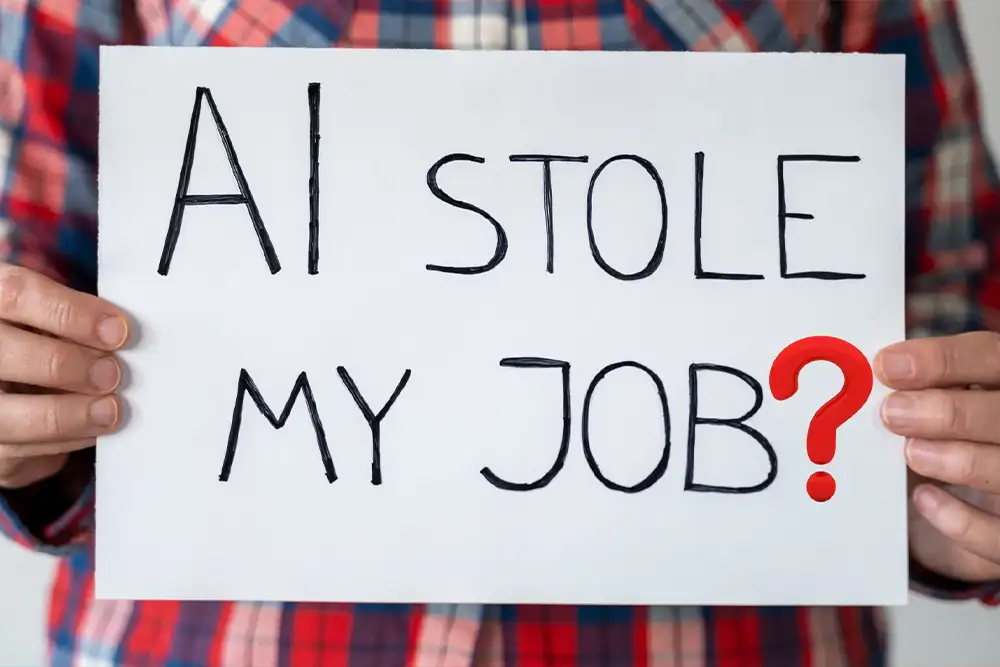
Reskilling and Upskilling: Preparing for the Future
As artificial intelligence (AI) continues to transform the job market, the need for reskilling and upskilling has become more critical than ever. This ongoing process of learning and adaptation is essential for workers to remain relevant and competitive in the AI-driven economy.
Reskilling involves learning new skills to transition into a different role or industry, while upskilling focuses on enhancing existing skills to advance within one’s current field. Both are crucial strategies for navigating the changing job landscape shaped by AI
The importance of reskilling and upskilling is underscored by several factors:
- Rapid Technological Change: AI and related technologies are evolving at an unprecedented pace, making continuous learning essential to keep up with industry demands.
- Job Displacement: As AI automates certain tasks, some roles may become obsolete, necessitating workers to acquire new skills for emerging positions.
- Changing Skill Requirements: Even within existing roles, the skills required are evolving as AI is integrated into various processes.
- Increased Competitiveness: As AI takes over routine tasks, human workers need to focus on developing skills that complement AI capabilities to remain valuable in the job market.
Strategies for Effective Reskilling and Upskilling:
- Identify Future-Proof Skills:
Focus on developing skills that are likely to remain in demand despite AI advancements. These often include:
- Complex problem-solving
- Critical thinking
- Creativity
- Emotional intelligence
- AI literacy
- Data analysis
- Interdisciplinary knowledge
- Leverage Online Learning Platforms:
Take advantage of Massive Open Online Courses (MOOCs) and other online learning resources. Platforms like Coursera, edX, and Udacity offer courses in AI, data science, and other relevant fields. - Pursue Professional Certifications:
Many technology companies and professional organizations offer certifications in AI-related fields. These can provide credible validation of your skills to potential employers. - Engage in Project-Based Learning:
Participate in real-world projects or hackathons that involve AI technologies. This hands-on experience can be invaluable in developing practical skills. - Seek Internal Opportunities:
Look for opportunities within your current organization to work on AI-related projects or transition into roles that involve AI. - Develop a Growth Mindset:
Cultivate a mindset that embraces challenges and views failures as learning opportunities. This resilience is crucial in the face of rapid technological change. - Network and Stay Informed:
Attend industry conferences, join professional associations, and engage with online communities to stay updated on the latest AI developments and skill requirements.
The Role of Organizations in Reskilling and Upskilling:
Organizations play a crucial role in facilitating the reskilling and upskilling of their workforce:
- Invest in Training Programs:
Develop comprehensive training programs that help employees acquire AI-related skills relevant to their roles. - Create a Culture of Continuous Learning:
Foster an environment that encourages and rewards ongoing skill development. - Provide Time for Learning:
Allocate dedicated time for employees to engage in learning activities during work hours. - Offer Mentorship Programs:
Pair experienced AI professionals with other employees to facilitate knowledge transfer. - Collaborate with Educational Institutions:
Partner with universities and training providers to develop curricula that align with industry needs.
Implement Job Rotation Programs:
Allow employees to experience different roles and gain diverse skills within the organization.
- Provide Clear Career Pathways:
Outline potential career progression routes that incorporate AI skills, giving employees a clear vision of how upskilling can benefit their career within the organization. - Leverage AI for Personalized Learning:
Use AI-powered learning platforms that can tailor training content to individual employee needs and learning styles.
Challenges in Reskilling and Upskilling: While the benefits of reskilling and upskilling are clear, there are several challenges that individuals and organizations may face:
- Time Constraints:
Many workers struggle to find time for learning alongside their regular job responsibilities. - Financial Barriers:
The cost of courses, certifications, and training programs can be prohibitive for some individuals and smaller organizations. - Rapidly Changing Skill Requirements:
The fast pace of AI development can make it challenging to determine which skills will be most valuable in the long term. - Resistance to Change:
Some employees may be reluctant to embrace new technologies or learn new skills, especially if they’ve been in their current role for a long time. - Lack of Clear Learning Pathways:
With the multitude of learning options available, it can be difficult to determine the most effective learning path for specific career goals.
Overcoming these challenges requires a concerted effort from individuals, organizations, and policymakers:
- Individuals should prioritize continuous learning as a core part of their career development, setting aside dedicated time for skill acquisition.
- Organizations need to view reskilling and upskilling as a strategic investment rather than a cost, allocating resources accordingly.
- Governments and educational institutions can play a role by providing subsidies or grants for reskilling programs and developing curricula that align with future skill needs.
- Industry partnerships can help create more relevant and practical training programs that directly address market needs.
The Future of Reskilling and Upskilling: As AI continues to evolve, the nature of reskilling and upskilling will likely change as well. We may see:
- More Personalized Learning:
AI-powered adaptive learning systems will provide highly tailored learning experiences based on individual needs and learning styles. - Virtual and Augmented Reality Training:
Immersive technologies will enable more engaging and effective skill development, particularly for hands-on tasks. - Micro-Learning and Nano-Degrees:
Short, focused learning modules that can be completed quickly and combined for comprehensive skill development. - Continuous Skill Assessment:
AI-driven systems that constantly evaluate an individual’s skills and suggest relevant learning opportunities. - Integration of Learning and Work:
Learning will become more seamlessly integrated into daily work activities, blurring the line between training and job performance.
In conclusion, reskilling and upskilling are not just temporary responses to the AI revolution – they are becoming fundamental aspects of career development in the 21st century. By embracing a mindset of lifelong learning and adapting to the changing skill requirements, individuals can position themselves to thrive in the AI-driven job market. Organizations that prioritize and facilitate this continuous learning process will be better equipped to navigate the challenges and opportunities presented by AI, ensuring their workforce remains competitive and innovative in the face of rapid technological change.