

Table of Contents
- Introduction
- Understanding the Importance of a Social Media Content Calendar
- Key Components of an Effective Content Calendar
- Customizing Your Calendar for Different Platforms
- Incorporating AI and Automation into Your Calendar
- Strategies for Consistent Branding Across Platforms
- Measuring and Analyzing Calendar Performance
- Adapting Your Calendar for Emerging Trends
- Collaboration and Workflow Integration
- Conclusion
The Ultimate Social Media Content Calendar Template for 2026
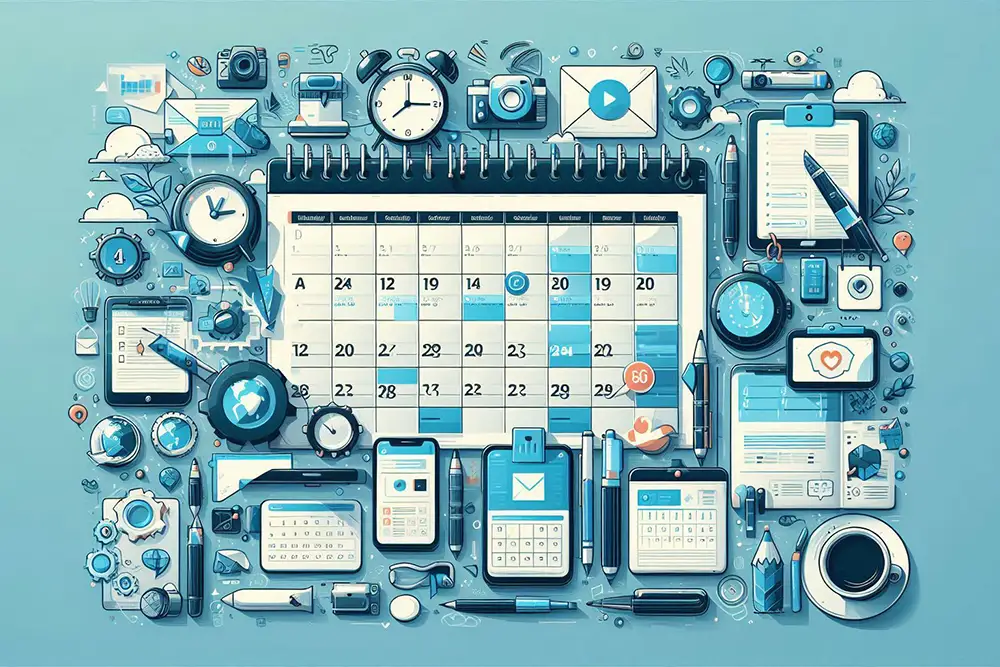
In the fast-paced world of social media marketing, staying organized and consistent is key to success. A well-structured social media content calendar template is an essential tool for marketers looking to streamline their efforts and maximize impact across platforms. In this comprehensive guide, we’ll explore how to create and utilize the ultimate social media content calendar template for 2026, incorporating the latest trends and technologies to keep your strategy ahead of the curve.
Understanding the Importance of a Social Media Content Calendar
Before diving into the specifics of our social media content calendar template, it’s crucial to understand why this tool is so valuable:
-
- Consistency: A calendar ensures regular posting, which is essential for maintaining audience engagement and algorithmic favor. In 2026, with the ever-increasing volume of content across platforms, consistency is more important than ever for cutting through the noise and maintaining a strong brand presence.
- Strategic planning: It allows you to align your content with broader marketing objectives and campaigns. By planning ahead, you can ensure that your social media efforts support overarching business goals and key initiatives throughout the year.
- Resource management: By planning ahead, you can allocate resources more efficiently for content creation and curation. This is particularly important in 2026, as content creation becomes increasingly sophisticated and resource-intensive.
- Cross-platform coordination: A comprehensive calendar helps maintain a cohesive message across different social media platforms. With the proliferation of new platforms and features, a well-organized calendar is essential for ensuring a unified brand voice and message.
- Performance tracking: With a structured calendar, it’s easier to monitor and analyze the performance of your content over time. This allows for data-driven optimization of your social media strategy.
To fully appreciate the value of a social media content calendar template in 2026, consider the following statistics:
- By 2026, it’s projected that the average person will spend 3 hours per day on social media, up from 2.5 hours in 2020 (Source: eMarketer).
- 73% of marketers believe that their efforts through social media marketing have been “somewhat effective” or “very effective” for their business (Source: Buffer).
- Companies that use a content calendar are 3x more likely to report success in their content marketing efforts (Source: Content Marketing Institute).
Given these trends, a well-structured content calendar is not just a nice-to-have, but a necessity for successful social media marketing in 2026.
Key Components of an Effective Content Calendar
Our social media content calendar template for 2026 includes the following essential components:
- Date and time: Specify the exact date and time for each post across platforms. In 2026, with advanced AI-powered scheduling tools, you can optimize posting times for maximum engagement on each platform.
- Platform: Indicate which social media platform(s) the content is intended for. By 2026, this may include emerging platforms beyond the current major players, so flexibility is key.
- Content type: Categorize your content (e.g., image, video, blog link, poll, AR experience, etc.). In 202, expect to see a wider variety of content types, including more immersive and interactive formats.
- Copy: Include the actual text of your post, including hashtags and mentions. With the rise of AI-assisted copywriting, you may want to include both AI-generated and human-refined versions.
- Visuals: Link or attach the images, videos, or other visual elements for the post. In 2026, this may include 3D models for AR experiences or interactive elements.
- Campaign/theme: Tag posts that are part of larger campaigns or content themes. This helps maintain coherence in your overall marketing strategy.
- Target audience: Specify which audience segment the post is aimed at. In 2026, expect to use more granular audience segmentation based on AI-driven insights.
- Call-to-action (CTA): Note the desired action you want users to take. In 2026, CTAs may be more interactive and personalized based on user behavior.
- UTM parameters: Include tracking parameters for links to measure traffic sources. By 2026, expect more sophisticated attribution models that can track user journeys across multiple touchpoints.
- Approval status: Track the progress of content from draft to published. In 2026, this may include stages for AI-generation, human refinement, and compliance checks.
To implement this social media content calendar template:
- Create a spreadsheet with columns for each of these components. Use Google Sheets or a similar cloud-based tool for real-time collaboration.
- Use color-coding to differentiate between platforms or content types. This visual organization can help quickly identify different elements of your strategy.
- Include a separate tab for content ideas and brainstorming sessions. This can serve as a repository for future content inspiration.
- Add a dashboard tab to track overall content distribution and performance metrics. In 2026, this dashboard may include AI-driven insights and recommendations.
- Use dropdown menus for categories like content type and platform to ensure consistency and ease of use.
- Implement version control to track changes and allow for easy rollback if needed.
Customizing Your Calendar for Different Platforms
Each social media platform has its own best practices and optimal posting frequencies. Here’s how to customize your social media content calendar template for major platforms in 2026:
- Instagram:
- Focus on visually striking images and short-form video content.
- Plan for daily posts and 5-7 Stories per week.
- Include a mix of feed posts, Reels, and IGTV content.
- By 2026, expect to incorporate more AR and interactive elements into your Instagram strategy.
- Facebook:
- Aim for 3-5 posts per week, focusing on engaging content that sparks conversations.
- Plan for live video sessions and events.
- Include a mix of original content and curated articles.
- In 2026, Facebook may place more emphasis on community-building features, so plan for more group-focused content.
- Twitter:
- Schedule multiple tweets per day (5-7) to maintain visibility.
- Plan for participation in relevant Twitter chats.
- Include a mix of text, images, and short videos.
- By 2026, Twitter may have evolved to include more multimedia features, so be prepared to adapt your content mix.
- LinkedIn:
- Aim for 2-3 posts per week, focusing on professional and industry-related content.
- Plan for long-form articles and thought leadership pieces.
- Include updates about company culture and employee achievements.
- In 2026, LinkedIn may offer more robust features for showcasing skills and professional development, so incorporate these into your content plan.
- TikTok:
- Plan for daily posts to leverage the algorithm.
- Focus on trending challenges and audio clips.
- Include a mix of educational and entertaining content.
- By 2026, TikTok may have expanded its e-commerce features, so consider incorporating more product-focused content.
- Emerging Platforms:
- Leave room in your calendar for new platforms that may gain prominence by 2026.
- Be prepared to adapt your content strategy for platforms that may focus on VR, AR, or other emerging technologies.
To implement platform-specific customization in your social media content calendar template:
- Create separate tabs or sections for each platform within your main calendar.
- Use platform-specific color codes for easy visual differentiation.
- Include platform-specific metrics columns (e.g., Retweets for Twitter, Shares for Facebook).
- Add a column for platform-specific features (e.g., Instagram Story stickers, Twitter polls).
- Implement a content repurposing strategy to adapt posts for different platforms efficiently.
Incorporating AI and Automation into Your Calendar
In 2026, leveraging AI and automation is crucial for an efficient social media content calendar template. Here’s how to integrate these technologies:
- AI-powered content suggestions: Use AI tools to generate content ideas based on trending topics and audience interests. These tools can analyze vast amounts of data to identify themes and topics that are likely to resonate with your audience.
- Automated posting: Implement scheduling tools that automatically post content at optimal times. By 2026, these tools will likely use advanced algorithms to determine the best posting times based on real-time engagement data.
- Dynamic content optimization: Utilize AI to adjust post timing and content based on real-time engagement data. This allows for on-the-fly optimization to maximize the impact of your content.
- Predictive analytics: Employ machine learning models to forecast content performance and guide your strategy. These models can help you identify which types of content are likely to perform best before you even create them.
- Automated content curation: Use AI to find and suggest relevant third-party content for sharing. This can help you maintain a consistent posting schedule even when you don’t have enough original content.
To implement AI and automation in your social media content calendar template:
- Integrate AI-powered tools like Buffer, Hootsuite, or Sprout Social with your calendar. These tools are likely to have even more advanced features by 2026.
- Set up automated workflows for content approval and publishing. This can streamline your process and reduce the risk of human error.
- Use AI-generated insights to inform your content mix and posting schedule. Regularly review these insights to refine your strategy.
- Implement chatbots for automated responses to common queries on social platforms. This can help maintain engagement even outside of business hours.
- Regularly review and refine your AI and automation settings to ensure optimal performance. As these technologies evolve, you’ll want to stay on top of new features and capabilities.
Strategies for Consistent Branding Across Platforms
Maintaining a consistent brand voice and aesthetic across platforms is essential. Here’s how to ensure consistency using your social media content calendar template:
- Develop platform-specific style guides: Create guidelines for tone, imagery, and messaging for each platform. While maintaining overall brand consistency, allow for platform-specific adaptations.
- Use consistent visual elements: Plan for consistent use of colors, fonts, and design elements across posts. This helps create a cohesive brand identity across all platforms.
- Create content themes: Develop recurring content series or themes that align with your brand identity. This can help create a sense of continuity and expectation among your followers.
- Plan cross-platform campaigns: Coordinate messaging and visuals for multi-platform campaigns. Ensure that each platform’s content works together to tell a cohesive story.
- Maintain consistent hashtags: Use branded hashtags consistently across platforms. This can help create a unified brand presence and make it easier for followers to find and engage with your content.
To implement branding consistency in your social media content calendar template:
- Include a column for brand guidelines compliance checks. This can serve as a reminder to ensure each post aligns with your brand standards.
- Create a library of approved brand assets linked to your calendar. This makes it easy for team members to access the right visuals for each post.
- Develop templates for recurring content themes or series. This can help maintain consistency while saving time in content creation.
- Use color-coding to indicate posts that are part of cross-platform campaigns. This visual cue can help ensure coordinated messaging across platforms.
- Include a section for tracking branded hashtag usage and performance. This can help you understand which hashtags are most effective for your brand.
Measuring and Analyzing Calendar Performance
To continuously improve your social media strategy, it’s crucial to measure and analyze the performance of your content calendar. Here’s how:
- Track key performance indicators (KPIs): Monitor metrics like engagement rate, reach, and conversions. By 2026, expect to have access to more sophisticated metrics that provide deeper insights into content performance.
- Conduct regular content audits: Analyze which types of content perform best on each platform. Use this information to refine your content mix and focus on what resonates most with your audience.
- Monitor audience growth: Track follower growth and demographic changes over time. This can help you understand how your content strategy is impacting your audience size and composition.
- Analyze posting times: Determine the most effective times to post on each platform. In 2026, AI-powered tools will likely provide even more granular insights into optimal posting times.
- Measure campaign performance: Evaluate the success of specific campaigns or content series. This can help you understand which overarching strategies are most effective for your brand.
To implement performance tracking in your social media content calendar template:
- Add columns for key metrics next to each planned post. This allows you to easily compare planned content with actual performance.
- Create a dashboard tab that aggregates performance data across platforms. This provides a high-level view of your overall social media performance.
- Use conditional formatting to highlight high-performing and underperforming content. This visual cue can help quickly identify trends in your content performance.
- Implement automated reporting to pull data directly from social media analytics tools. By 2026, expect these integrations to be even more seamless and comprehensive.
- Schedule regular review sessions to analyze performance and adjust your strategy. Make this a recurring event in your team’s calendar to ensure consistent optimization.
Adapting Your Calendar for Emerging Trends
In the dynamic world of social media, it’s essential to stay flexible and adapt to emerging trends. Here’s how to build flexibility into your social media content calendar template:
- Leave room for real-time content: Allocate slots for timely, trend-based content. This allows you to capitalize on emerging topics and events relevant to your brand.
- Monitor trending topics: Use social listening tools to identify and capitalize on emerging trends quickly. By 2026, these tools will likely be even more sophisticated, potentially using AI to predict trends before they fully emerge.
- Create a “flex” content bank: Develop a repository of evergreen content that can be used to fill gaps or respond to trends. This ensures you always have relevant content ready to go.
- Implement a rapid approval process: Establish a streamlined workflow for quickly approving and publishing trend-based content. This allows you to stay agile and responsive in your content strategy.
- Use AI-powered trend prediction: Leverage AI tools to forecast upcoming trends and plan content accordingly. By 2026, these predictive capabilities are likely to be highly advanced and accurate.
To implement trend adaptation in your social media content calendar template:
- Add a “Trending” column to flag content that’s based on current events or trends. This helps track the balance between planned and reactive content.
- Create a separate tab for your flex content bank, categorized by themes or topics. This makes it easy to quickly find relevant content when needed.
- Integrate social listening tools directly into your calendar for real-time trend updates. This allows for seamless incorporation of trending topics into your content plan.
- Implement a color-coding system to indicate the urgency of trend-based content. This visual cue can help prioritize content creation and approval processes.
- Schedule regular team meetings to discuss emerging trends and adjust the calendar as needed. Make this a recurring event to ensure your strategy stays current.
Collaboration and Workflow Integration
Effective social media management often requires input from multiple team members. Here’s how to optimize collaboration using your social media content calendar template:
- Implement role-based access: Assign different levels of access and editing permissions to team members. This ensures that everyone can contribute appropriately without risking unauthorized changes.
- Use cloud-based solutions: Ensure your calendar is accessible to all team members in real-time. By 2026, expect even more advanced cloud-based collaboration tools with features like simultaneous editing and version control.
- Integrate communication tools: Connect your calendar with team chat platforms for seamless collaboration. This allows for quick discussions and decisions about content without leaving the calendar interface.
- Implement approval workflows: Create a clear process for content review and approval. This helps maintain quality control and ensures all content aligns with brand guidelines before publication.
- Use version control: Keep track of changes and allow for easy rollback if needed. This is particularly important when multiple team members are working on the same content.
To implement collaboration features in your social media content calendar template:
- Use Google Sheets or a similar cloud-based platform for real-time collaboration. These tools are likely to have even more advanced features by 2026.
- Create separate tabs for different team roles (e.g., content creators, designers, approvers). This helps organize workflows and responsibilities.
- Use comment features to provide feedback directly within the calendar. This creates a clear record of discussions and decisions about specific content pieces.
Implement conditional formatting to highlight
- Implement conditional formatting to highlight content status (e.g., draft, in review, approved). This visual cue can help team members quickly understand where each piece of content is in the production process.
- Create a dashboard that shows task assignments and deadlines for each team member. This can help everyone stay on track and ensure that content is produced and published on schedule.
Conclusion: Mastering Social Media Planning with Your Content Calendar
A well-structured social media content calendar template is an indispensable tool for marketers in 2026. By incorporating AI-driven insights, adapting to emerging trends, and fostering seamless collaboration, you can create a dynamic and effective social media strategy that resonates with your audience across all platforms. Remember that the key to success is consistency and adaptability. Regularly review and refine your calendar based on performance data and emerging trends. With the right approach, your social media content calendar template will become the cornerstone of a thriving social media presence, driving engagement, building brand loyalty, and ultimately contributing to your business growth. To maximize the effectiveness of your social media content calendar template:
- Conduct quarterly audits of your content strategy and calendar structure. This allows you to identify areas for improvement and ensure your approach remains aligned with your overall marketing objectives.
- Invest in ongoing training for your team to keep them up-to-date with the latest social media trends and best practices. This could include workshops on emerging platforms, new content formats, or advanced analytics techniques.
- Foster a culture of experimentation within your team. Encourage team members to propose new content ideas or approaches, and allocate a portion of your calendar for testing these innovations.
- Develop a system for capturing and acting on audience feedback. This could include regularly scheduled social listening sessions or automated sentiment analysis of comments and messages.
- Create a crisis management protocol within your content calendar. This should include pre-approved messaging templates and a clear workflow for quickly adjusting scheduled content in the event of a PR crisis or significant world event.
- Integrate your social media content calendar with other marketing calendars (e.g., email marketing, content marketing, PR) to ensure a cohesive cross-channel strategy.
- Implement a system for archiving past content calendars and performance data. This historical record can provide valuable insights for future planning and help identify long-term trends in your social media performance.
As you move forward with your 2026 social media strategy, keep in mind that the platforms and technologies we use may change, but the fundamental principles of effective communication and audience engagement remain constant.
Use your social media content calendar template not just as a scheduling tool, but as a strategic asset that helps you build meaningful connections with your audience, showcase your brand’s unique value, and drive real business results in the digital age.
With careful planning, consistent execution, and a willingness to adapt, your social media content calendar will be more than just a template – it will be the blueprint for your social media success in 2026 and beyond.