


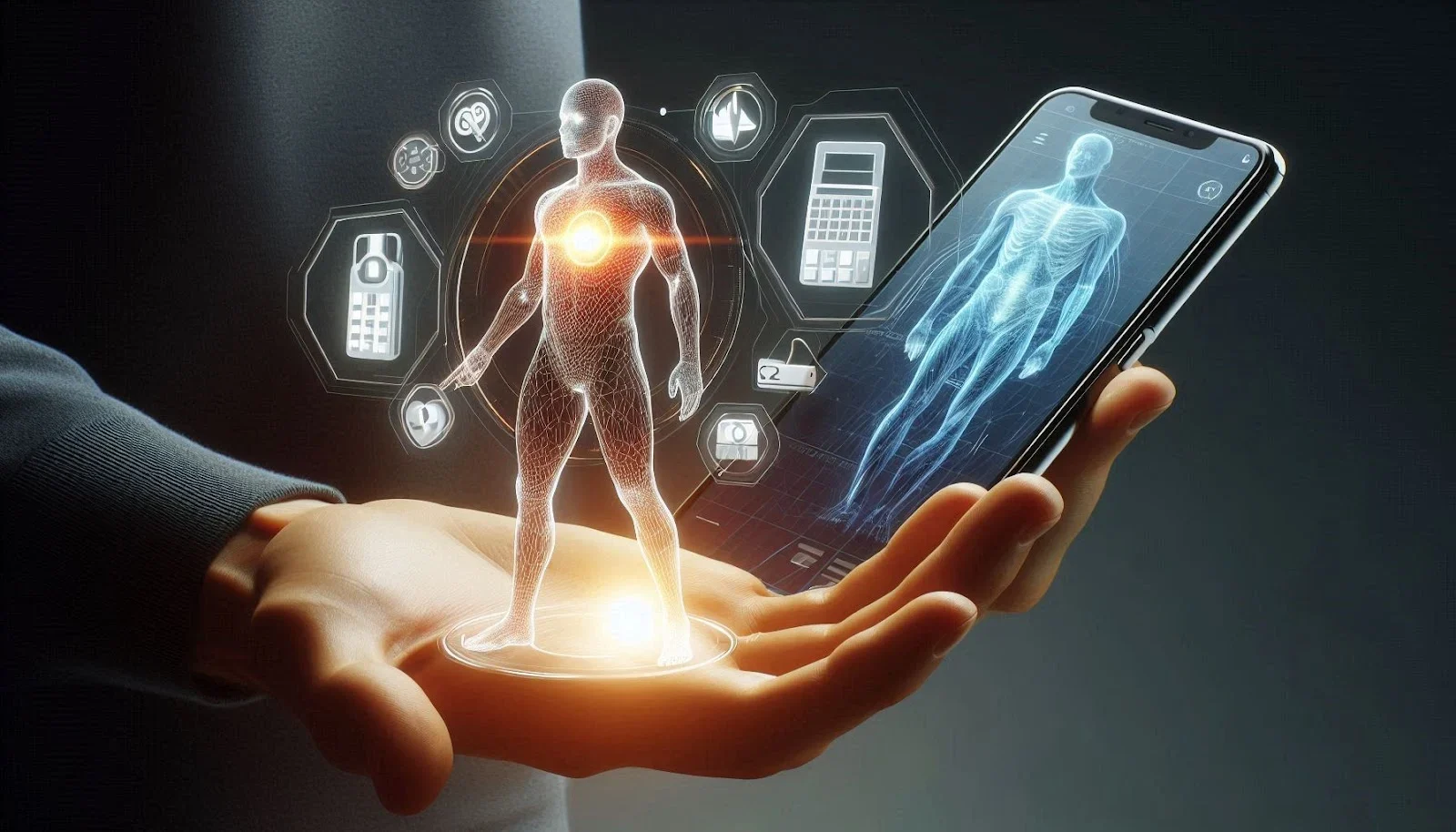
Step into the future of wearable technology! No longer limited to counting steps or tracking calories, today’s wearables are revolutionizing the way we live, work, and connect. Imagine a world where your smartwatch can monitor your heart health, your smart ring pays for your coffee, and your AR glasses help you navigate a new city-all seamlessly and securely. In this in-depth exploration of Wearable Devices 2.0, discover how cutting-edge innovations are moving far beyond fitness to touch every aspect of our daily lives. Whether you’re a tech enthusiast, health-conscious individual, or entrepreneur, this guide will show you how wearables are reshaping our world in 2026 and beyond.
Table of Contents
- Introduction
- The Evolution of Wearable Devices
- Key Trends Shaping Wearables in 2026
- Wearables Revolutionizing Healthcare
- Beyond Health: Payments, Safety, and Daily Life
- Emerging Form Factors: Smart Rings, Glasses, and More
- AI, Connectivity, and the Next Generation of Smart Features
- Wearables in Business, Insurance, and Workplace Safety
- Top Wearable Brands and Affiliate Opportunities
- Future Outlook: What’s Next for Wearable Devices?
- Conclusion
- References
Introduction
Wearable technology has rapidly evolved from simple step counters to sophisticated devices that touch nearly every aspect of our lives. As we enter 2026, wearable devices are no longer just about fitness-they are transforming health management, enabling seamless payments, enhancing workplace safety, and integrating with smart environments. This comprehensive guide explores the latest trends, innovations, and opportunities in Wearable Devices 2.0, offering insights for consumers, businesses, and affiliate marketers.
The Evolution of Wearable Devices
The first wave of wearables focused on basic activity tracking-counting steps, monitoring heart rate, and logging sleep. Brands like Fitbit and Garmin popularized these devices, making health data accessible to millions. However, the wearable landscape has rapidly matured. Today’s devices offer advanced health diagnostics, contactless payments, workplace safety features, and even emotional connectivity, reflecting a shift from single-purpose gadgets to multifunctional personal assistants.
“Smart wearables have evolved beyond simple fitness trackers to play a pivotal role in healthcare, chronic care management, and daily life.”
Key Trends Shaping Wearables in 2026
The global wearables market is experiencing a transformation driven by technological advancements and changing consumer expectations. Here are the key trends defining Wearable Devices 2.0:
Generative AI Integration
Generative AI is revolutionizing wearables by powering features like personalized health scoring, proactive recommendations, and conversational virtual assistants. This shift enables devices to act as holistic wellness coaches, not just passive trackers. To understand just how powerful these AI engines are becoming, check out our deep dive into GPT-4 capabilities and what they mean for next-gen devices.
Advanced Health and Fitness Sensors
Modern wearables now include sensors for ECG, blood oxygen, sleep staging, and even continuous glucose monitoring. These capabilities are becoming standard, democratizing access to advanced health insights.
New Form Factors: Smart Rings and Glasses
Lightweight smart rings and AR glasses are gaining popularity, offering discreet health tracking and enhanced connectivity without the bulk of traditional watches.
Contactless Payments and Digital ID
Wearables now enable secure payments and digital identification, making everyday transactions faster and more convenient.
Workplace Safety and Enterprise Use
AI-powered safety wearables are being adopted in industries to monitor worker health, prevent accidents, and ensure compliance, marking a significant expansion beyond consumer wellness. This mirrors the broader AI revolution transforming workplaces across every sector.
VR and Immersive Experiences
Consumer VR headsets, powered by wearables, are delivering richer immersive experiences, with applications in gaming, training, and remote collaboration.
Wearables Revolutionizing Healthcare
The integration of wearable technology into healthcare is one of the most significant developments of the past decade. Devices now provide real-time health monitoring, early disease detection, and personalized interventions for chronic conditions such as diabetes, heart disease, and respiratory illnesses.
Continuous Health Monitoring
Wearables like continuous glucose monitors (CGMs) and smartwatches with ECG capabilities provide real-time data, allowing users and clinicians to detect anomalies early and intervene promptly. For example, smartwatch-based algorithms can detect atrial fibrillation, reducing stroke risk and improving outcomes.
Remote Patient Management
Integration with telehealth platforms and electronic health records (EHRs) enables clinicians to monitor patients remotely, reducing unnecessary clinic visits and enhancing care for those with chronic diseases.
Behavioral Change and Preventative Health
Wearables encourage healthier lifestyles by providing feedback on activity, sleep, and stress. They also deliver medication reminders and personalized coaching, increasing patient engagement and adherence.
“Wearable health technology enhances preventive care, enabling continuous monitoring of vital signs and proactive disease management for better health outcomes.”
Insurance and Personalized Risk Assessment
Health insurers are leveraging wearable data to offer personalized insurance packages, reward healthy behaviors, and predict health risks. Programs like John Hancock Vitality and UnitedHealthcare Motion incentivize users to stay active and healthy.
Beyond Health: Payments, Safety, and Daily Life
The utility of wearables now extends far beyond health and fitness. Here’s how:
Contactless Payments and Digital ID
Smartwatches and rings equipped with NFC technology enable secure, tap-to-pay transactions at retail stores, transit systems, and even vending machines. Digital IDs stored on wearables are being piloted for seamless access to buildings and events.
Workplace Safety and Efficiency
AI-driven wearables are transforming workplace safety. Devices like exoskeletons, smart vests, and AR glasses monitor worker biometrics, provide hazard alerts, and support hands-free operations. Environmental sensors track air quality, temperature, and proximity to hazards, reducing accidents and improving compliance.
Emotional Connectivity
Innovative wearables like Bond Touch bracelets allow users to send touch signals over long distances, fostering emotional connections between loved ones separated by geography.
Smart Home and IoT Integration
Wearables now interact with smart home ecosystems, enabling users to control lights, security systems, and appliances directly from their wrist or finger.
Emerging Form Factors: Smart Rings, Glasses, and More
While smartwatches remain dominant, new form factors are expanding the wearable ecosystem:
Smart Rings
Smart rings offer discreet health and sleep tracking, contactless payments, and gesture-based controls. Their lightweight design makes them ideal for users seeking minimalism without sacrificing functionality.
Smart Glasses
AR-enabled smart glasses overlay digital information onto the real world, providing navigation, real-time translations, and hands-free notifications. In industrial settings, they deliver hazard visualization and step-by-step guidance.
Wearable Patches and Exoskeletons
Medical-grade patches monitor heart rate, glucose, and hydration, while AI-powered exoskeletons assist with physical labor, reducing fatigue and injury risk.
AI, Connectivity, and the Next Generation of Smart Features
The next generation of wearables is powered by AI and advanced connectivity. Tools like Perplexity AI Pro are already helping researchers and entrepreneurs stay ahead of rapid technological shifts in the wearable space.
Generative AI and Predictive Analytics
AI enables wearables to analyze patterns, predict health risks, and deliver personalized recommendations. Machine learning models detect anomalies, such as irregular heart rhythms or signs of dehydration, and alert users or caregivers in real time.
5G and Edge Computing
Enhanced connectivity through 5G networks allows wearables to stream data instantly, synchronize with cloud platforms, and support real-time interventions. Edge computing ensures data privacy by processing sensitive information locally.
Seamless Ecosystem Integration
Wearables now integrate with smartphones, smart home devices, and healthcare platforms, creating a unified user experience and unlocking new possibilities for automation and personalization.
Wearables in Business, Insurance, and Workplace Safety
Enterprises are embracing wearables to enhance safety, productivity, and risk management:
Workplace Health and Safety
Companies deploy biometric monitors, environmental sensors, and proximity warning systems to prevent accidents and monitor worker well-being. Lone worker monitoring systems provide geofencing, fall detection, and emergency alerts for employees in remote or high-risk environments.
Insurance Innovation
Insurers use wearable data to tailor policies, reward healthy behaviors, and predict health risks. This data-driven approach ensures accurate premium pricing and early intervention, benefiting both providers and policyholders.
Remote Workforce Management
Wearables enable real-time tracking of employee health, location, and productivity, supporting remote teams and field workers.
Conclusion
Wearable Devices 2.0 represent a paradigm shift from basic fitness trackers to intelligent companions that monitor health, enable payments, enhance safety, and connect us emotionally. With ongoing advancements in AI, connectivity, and design, wearables are poised to redefine personal technology in 2026 and beyond. Whether you are a consumer seeking better health, a business optimizing workforce safety, or a content creator exploring affiliate marketing opportunities, the wearable revolution offers unprecedented possibilities. For those looking to monetize tech content, our guide on content bundling for e-commerce success is an excellent next step.
References
- Medivault.ai. (2024). Wearables and Healthcare: Expanding Beyond Fitness Tracking to Health Management. https://www.medivault.ai/post/wearables-and-healthcare-expanding-beyond-fitness-tracking-to-health-management
- TechInsights. (2025). Five Key Trends for Wearables in 2025. https://www.techinsights.com/blog/five-key-trends-wearables-2025
- EasySend. (2024). The Dawn of Wearable Tech in Health Insurance: Enhancing Risk Assessment and Customer Engagement. https://www.easysend.io/blog/the-dawn-of-wearable-tech-in-health-insurance-enhancing-risk-assessment-and-customer-engagement
- SlateSafety. (2025). 2025 Top Wearable Safety Technology. https://slatesafety.com/2025-top-safety-tech/
- News Medical. (2025). How Wearable Tech Is Reshaping Preventative Health. https://www.news-medical.net/health/How-Wearable-Tech-Is-Reshaping-Preventative-Health.aspx
- LinkedIn Pulse. (2024). Smart Wearables in Healthcare: Beyond Fitness Tracking to Chronic Care. https://www.linkedin.com/pulse/smart-wearables-healthcare-beyond-fitness-tracking-chronic-zia-ullah-59owf